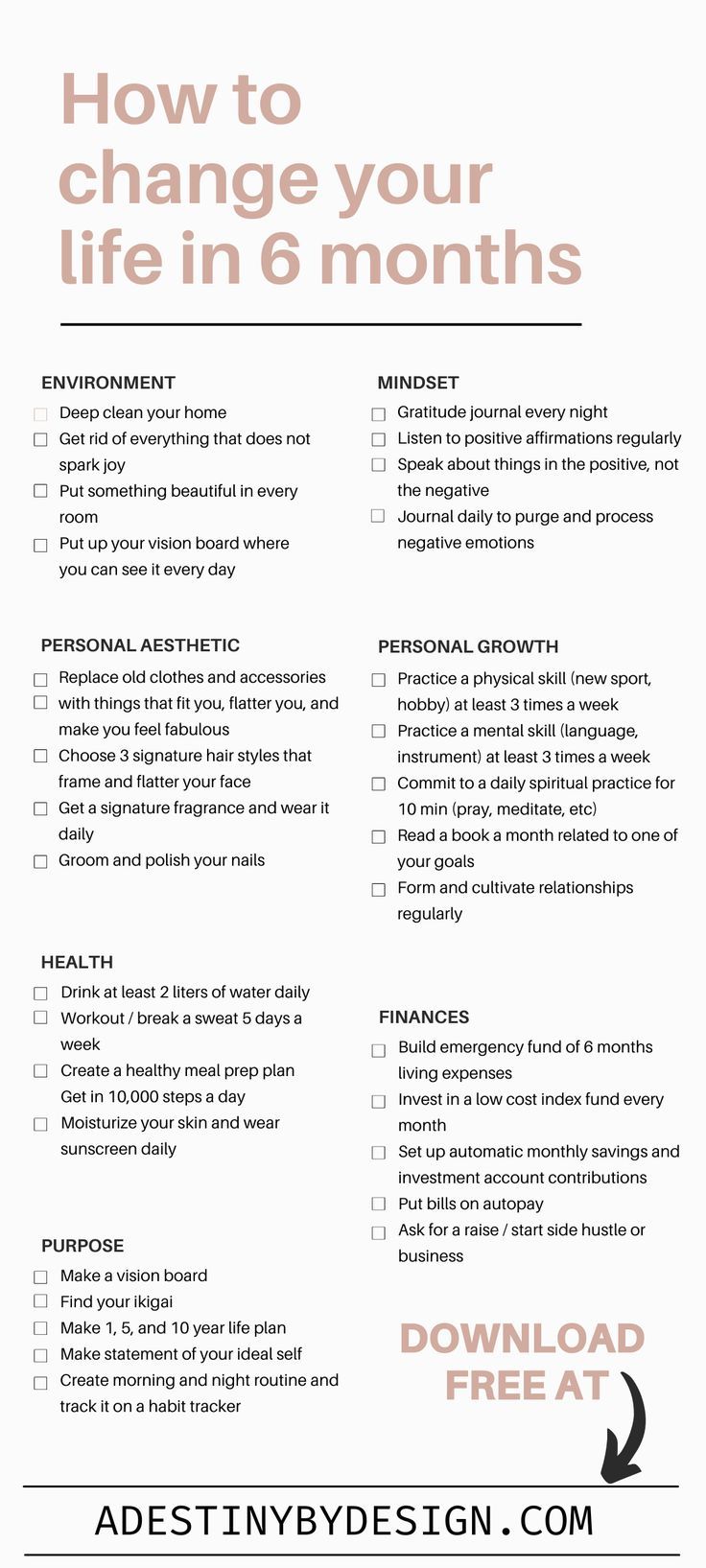
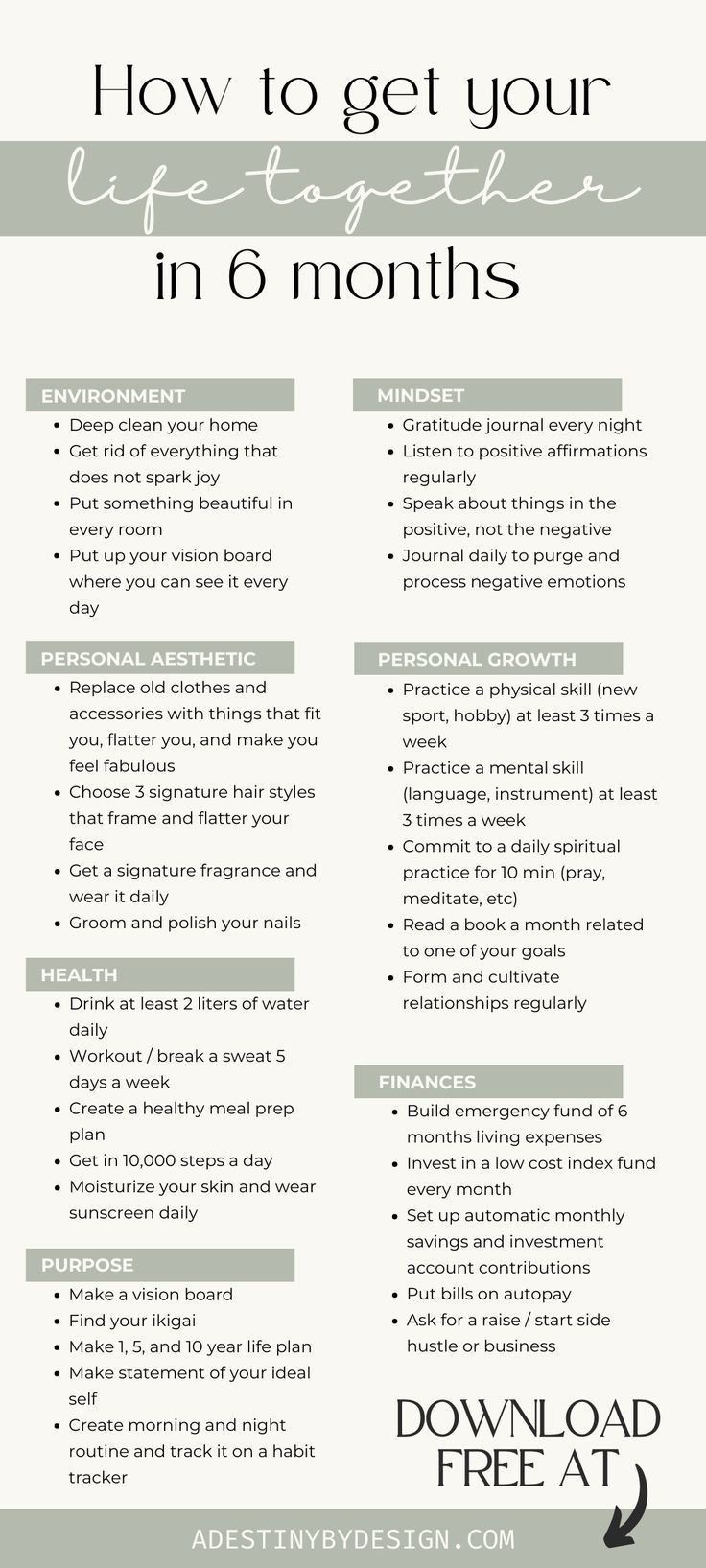
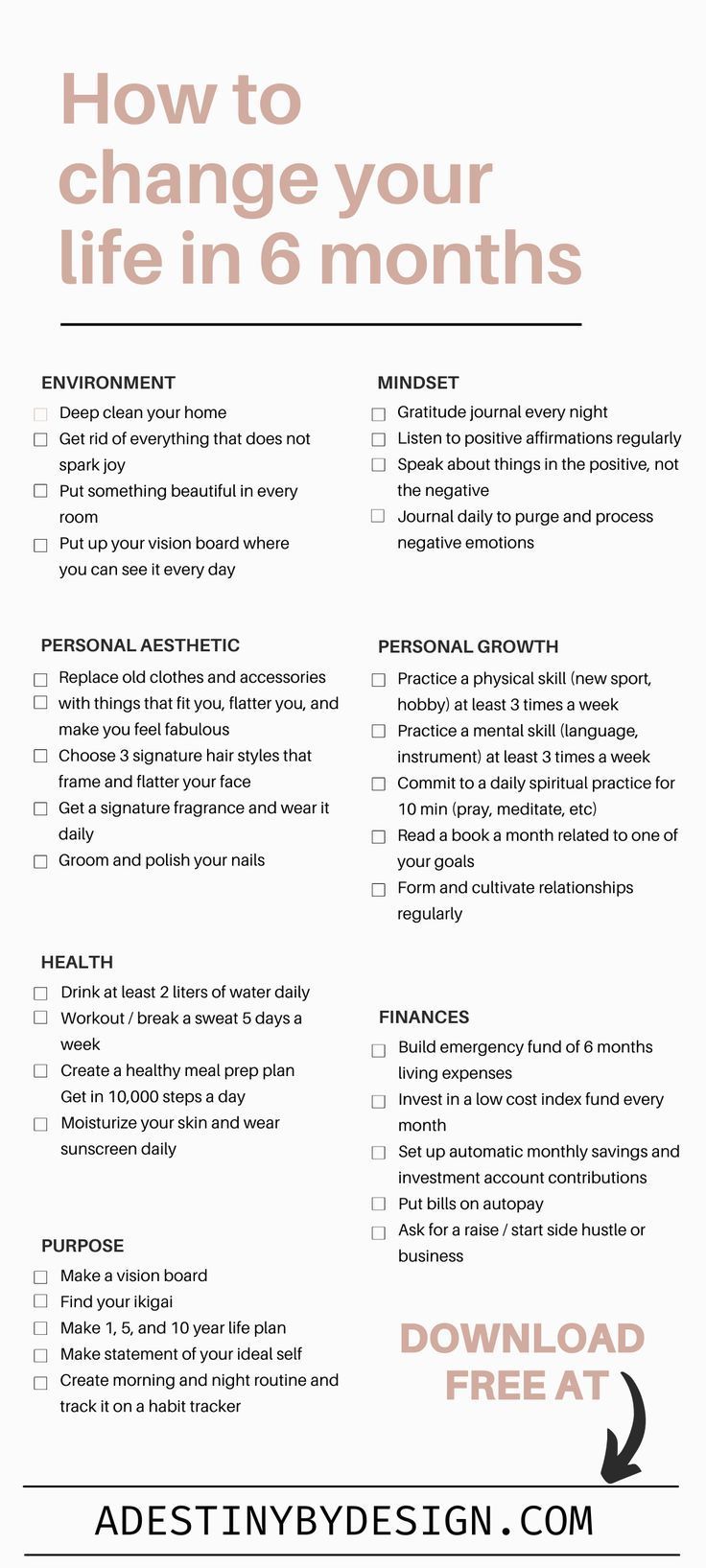
In a world that thrives on constant change and rapid advancements, the notion of transforming one’s life in a mere six months might seem both daunting and exhilarating. “Change Your Life in 6 Months” isn’t just a catchy slogan; it’s a powerful promise of potential and growth. Whether you’re looking to revamp your personal life, career, health, or mindset, the concept revolves around structured, intentional actions aimed at achieving significant transformation in a relatively short period. This journey of change is anchored in the core principles of goal setting, consistency, and adaptation, offering individuals a roadmap to redefine their paths and achieve their aspirations.
The idea of transforming one’s life in six months taps into the human desire for immediate results and the psychological appeal of a fresh start. With half a year at your disposal, you have the opportunity to set ambitious goals, develop new habits, and overcome obstacles that have hindered progress in the past. This process demands a blend of self-reflection, strategic planning, and unwavering commitment, all while embracing the inevitable challenges and setbacks that accompany any significant change.
However, this journey isn’t just about achieving a specific set of outcomes; it’s about cultivating a mindset that empowers you to navigate the complexities of life with resilience and determination. It’s about fostering self-awareness, building emotional intelligence, and nurturing an unwavering belief in your ability to create the life you envision. As you embark on this six-month transformation, you’ll discover not only the power of change but also the incredible capacity for growth that resides within you.
Technical History
The Genesis of Personal Development Programs
The concept of personal development and self-improvement is not a new phenomenon. In fact, its roots can be traced back to ancient civilizations where philosophers and thinkers explored the intricacies of human potential and self-betterment. However, the structured programs and methodologies that we see today have evolved significantly over the years, thanks to advancements in psychology, technology, and societal understanding.
The late 19th and early 20th centuries marked a pivotal period in the evolution of self-improvement paradigms. With the advent of the Industrial Revolution, individuals began seeking ways to enhance their skills and productivity, both personally and professionally. This era witnessed the rise of influential figures like Andrew Carnegie and Napoleon Hill, who emphasized the importance of mindset, goal setting, and positive thinking in achieving success.
The Impact of Psychology and Behavioral Sciences
The mid-20th century brought about a deeper understanding of human behavior and motivation, largely due to advancements in psychology and behavioral sciences. The work of psychologists such as Abraham Maslow and Carl Rogers introduced concepts like self-actualization and client-centered therapy, which highlighted the importance of personal growth and the pursuit of one’s potential.
During this time, the self-help industry began to take shape, with books, seminars, and workshops gaining popularity. The focus shifted from mere productivity to a more holistic approach, encompassing emotional well-being, relationships, and mental health. Techniques such as cognitive-behavioral therapy (CBT) and neuro-linguistic programming (NLP) became integral components of many personal development programs, offering individuals practical tools to reframe their thoughts and behaviors.
The Digital Revolution and Modern Self-Improvement
The late 20th and early 21st centuries witnessed a technological revolution that fundamentally transformed the landscape of personal development. The rise of the internet and digital platforms democratized access to information and resources, allowing individuals to embark on self-improvement journeys from the comfort of their homes. Online courses, webinars, and virtual coaching sessions became readily available, catering to diverse needs and preferences.
Social media platforms and digital communities further fueled the growth of self-improvement movements. Influencers, thought leaders, and motivational speakers leveraged these platforms to share their insights and experiences, inspiring millions to take charge of their lives. The integration of technology into personal development programs also led to the creation of mobile applications and tools designed to track progress, set goals, and provide real-time feedback.
The Science of Habit Formation and Goal Achievement
Central to the concept of changing one’s life in six months is the science of habit formation and goal achievement. Research in neuroscience and psychology has shed light on how habits are formed and how they can be modified to align with desired outcomes. The understanding of neural pathways and the brain’s plasticity has paved the way for more effective strategies in habit change.
One of the key principles in habit formation is the “cue-routine-reward” loop, popularized by Charles Duhigg in his book “The Power of Habit.” This framework emphasizes the importance of identifying triggers, implementing new routines, and reinforcing positive behaviors through rewards. Additionally, the concept of “micro-habits” or small, incremental changes has gained traction, offering a manageable approach to building lasting habits over time.
Technological Tools and Resources
In today’s digital age, a plethora of technological tools and resources are available to support individuals in their six-month transformation journey. From mobile applications that track progress and provide personalized feedback to online communities that offer support and accountability, technology has become an integral part of modern self-improvement.
Goal-setting applications, such as Trello and Asana, allow individuals to break down their objectives into actionable steps, ensuring clarity and focus. Fitness and wellness apps, like MyFitnessPal and Calm, provide guidance in areas such as physical health and mental well-being. Moreover, the rise of virtual reality and augmented reality has opened new avenues for immersive learning experiences, enabling users to visualize their goals and practice new skills in simulated environments.
Conclusion
The journey to change your life in six months is a testament to the power of intentional action, resilience, and the human capacity for growth. As we delve into the technical history of personal development programs and the evolution of self-improvement methodologies, it becomes clear that this journey is supported by a rich tapestry of knowledge and resources. From ancient philosophies to modern technological advancements, the tools and insights available today empower individuals to embark on transformative journeys with confidence and purpose.
As you set out on your six-month transformation, remember that change is not merely about achieving specific outcomes; it’s about embracing the journey and cultivating a mindset that empowers you to navigate the complexities of life with grace and determination. With the right strategies, resources, and support, the next six months hold the potential to be a period of profound growth and transformation, offering you the opportunity to create the life you’ve always envisioned.
Change Your Life in 6 Months: A Practical Guide
Introduction
Everyone reaches a point where they feel the need for change. Whether you’re seeking personal growth, career advancement, or improved well-being, the next six months can be transformative. This guide provides practical steps to help you make significant changes in your life within half a year.
Step 1: Set Clear Goals
Define What You Want
The first step in changing your life is to understand what you want to achieve. Take some time to reflect on different areas of your life, such as career, relationships, health, and personal development. Write down specific, measurable goals that you wish to accomplish in six months.
Once you have a list of goals, prioritize them by importance and feasibility. Focus on a few key areas where you can make the most impact. This will help you maintain focus and avoid feeling overwhelmed.
Step 2: Create a Plan
Break Down Your Goals
For each goal, break it down into smaller, actionable steps. This makes large goals seem more manageable and helps maintain motivation. Create a timeline for each step to track your progress.
Develop a Routine
Consistency is key when striving for change. Develop a daily or weekly routine that incorporates the steps needed to achieve your goals. This will help you build habits that support your objectives.
Step 3: Stay Motivated
Track Your Progress
Regularly tracking your progress can provide motivation and insight into what’s working. Use a journal or digital app to record your achievements and setbacks. Celebrate small victories to keep your spirits high.
Seek Support
Don’t be afraid to seek support from friends, family, or a mentor. Sharing your goals with others can provide accountability and encouragement. Consider joining online communities or local groups with similar interests.
Step 4: Overcome Obstacles
Identify Potential Challenges
Anticipate obstacles that may arise and develop strategies to overcome them. This could include time management issues, lack of resources, or emotional barriers. Being prepared will help you stay on track.
Stay Flexible
Life is unpredictable, and flexibility is essential. Be open to adjusting your plans as needed. If something isn’t working, don’t be afraid to try a new approach.
Step 5: Reflect and Adjust
Review Your Progress Regularly
Set aside time each month to review your progress. Reflect on what you have learned and how you have grown. This reflection can provide valuable insights and help you adjust your plans for the future.
As you approach the end of your six-month journey, begin thinking about your next steps. How can you continue to build on the progress you’ve made? Setting new goals can help maintain momentum and ensure continuous growth.
Conclusion
Changing your life in six months is a challenging but rewarding endeavor. By setting clear goals, creating a structured plan, staying motivated, overcoming obstacles, and reflecting on your journey, you can transform various aspects of your life. Remember, the key to success is persistence and adaptability.
Frequently Asked Questions
1. How do I choose the right goals?
Consider what areas of your life you are most dissatisfied with or passionate about. Choose goals that align with your values and long-term vision for your life.
2. What if I don’t achieve all my goals in six months?
Not achieving every goal is okay. Focus on the progress you have made and the lessons learned. You can always adjust timelines and continue working towards your objectives.
3. How can I stay motivated throughout the process?
Stay motivated by regularly reviewing your progress, celebrating small victories, and seeking support from others. Keeping your end goals in mind can also provide motivation.
4. What if I encounter setbacks?
Setbacks are a natural part of any journey. Analyze what went wrong, learn from the experience, and adjust your plans accordingly. Resilience is key to overcoming obstacles.
5. How do I deal with lack of support from others?
While support is helpful, it’s not always available. Focus on self-motivation and seek out communities or groups who share your goals and values for support.
6. Is it necessary to have a mentor?
A mentor can provide guidance and accountability but is not a requirement. If finding a mentor is difficult, consider looking for resources like books, online courses, or podcasts that can offer valuable insights.
7. How do I handle multiple goals at once?
Prioritize your goals and focus on a few at a time. Trying to achieve too many goals at once can lead to burnout. Use a structured plan to manage your time effectively.
8. Can I start this process at any time?
Yes, you can start at any time. The key is commitment and action, regardless of when you begin. The six-month timeframe is simply a structure to guide your efforts.
9. What tools can help me track my progress?
There are numerous tools available, from simple journals to digital apps like Trello, Notion, or Habitica, which are designed to help track progress and maintain focus.
Continue setting new goals and reviewing your progress regularly. Maintaining a supportive routine and seeking ongoing personal development will help sustain changes.